
Introduction
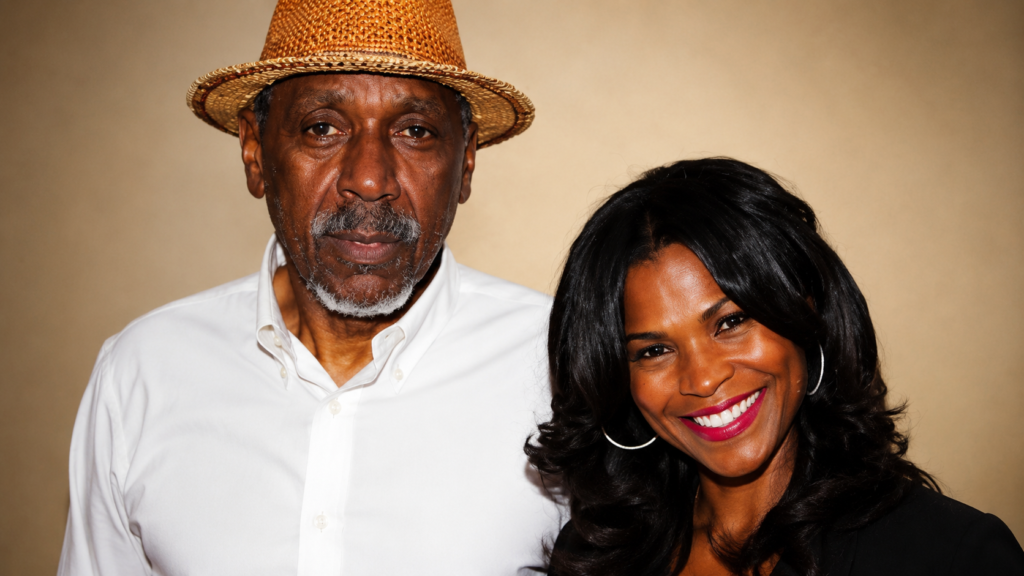
Doughtry Long, often known by the nickname Doc Long, was an American educator, poet, and community activist whose life work centered on teaching, creative expression, and cultural empowerment. He is widely recognized not only for his contributions to literature and education but also as the father of actress Nia Long and comedian Sommore. However, his personal achievements stand firmly on their own, reflecting a lifelong dedication to uplifting others through knowledge and storytelling.
His influence extended far beyond the classroom, reaching into prisons, community programs, international service, and the literary world. Long believed that education was not just an academic process but a transformative force capable of reshaping identity and opportunity. Through decades of teaching and writing, he became a respected figure in African American intellectual circles, leaving behind a legacy rooted in resilience, creativity, and social consciousness.
Early Life and Background
Doughtry Long was born on March 14, 1942, in Atlanta, Georgia, during a time when racial segregation and inequality shaped the lived experiences of African Americans across the United States. Soon after his birth, his family relocated to Trenton, New Jersey, a city that would play a central role in his upbringing and later professional life. Growing up in Trenton exposed him to both the struggles and strength of urban Black communities.
His early environment helped shape his worldview, particularly his awareness of social inequality and limited access to quality education. These formative experiences influenced his later commitment to teaching and community development. From a young age, Long showed a strong interest in reading, storytelling, and language, which became the foundation for his future academic and literary pursuits.
Education and Academic Development
Doughtry Long pursued higher education at West Virginia State College, a historically Black institution that fostered academic excellence and cultural awareness among African American students. His time there deepened his appreciation for literature, history, and the power of education as a tool for social change. He developed a particular interest in African American literary traditions, which would later become central to his teaching philosophy.
After completing his undergraduate studies, he continued his academic journey by earning a master’s degree in Urban Studies from The College of New Jersey. This advanced education provided him with a broader understanding of urban systems, inequality, and community dynamics. His academic background combined literary studies with urban development, allowing him to approach education from both cultural and structural perspectives.
Teaching Career at Trenton Central High School
Doughtry Long spent more than three decades teaching literature and creative writing at Trenton Central High School, where he became a deeply influential figure among students and colleagues. His classroom was known for being dynamic, expressive, and centered on student voice. Rather than relying on traditional rote learning methods, he encouraged students to explore their identities through writing and reflection.
His teaching philosophy emphasized creativity, critical thinking, and emotional honesty. He introduced students to African American literature and encouraged them to see writing as a form of personal liberation. Many of his students credited him with changing the way they understood language and self-expression, describing his classroom as a space where they felt seen, heard, and valued.
Prison Education and Community Engagement
Beyond the traditional classroom, Doughtry Long expanded his educational mission into correctional facilities, where he helped develop an African American Studies program at Trenton State Prison. His work in prison education reflected his belief that learning should be accessible to all individuals, regardless of their circumstances. He saw education as a pathway to rehabilitation, identity recovery, and hope.
His prison education efforts were groundbreaking because they challenged societal assumptions about incarcerated individuals. By introducing literature, history, and cultural studies into the prison system, he helped participants reconnect with their intellectual and emotional potential. This work reinforced his broader philosophy that education is a universal right and a powerful tool for transformation.
Peace Corps Service and Global Perspective
Doughtry Long also served as a Peace Corps volunteer in West Africa, an experience that significantly broadened his cultural and intellectual perspective. During his time abroad, he worked in community development and engaged with local educational initiatives. This international exposure deepened his understanding of global inequality and cultural connection.
His Peace Corps service also influenced his later work in the United States, particularly his commitment to diversity and cultural awareness in education. He participated in recruiting volunteers from historically Black colleges and universities, encouraging young people to engage in global service. This experience reinforced his belief in the interconnectedness of African diasporic communities and the importance of cross-cultural understanding.
Poetry and Literary Contributions
Doughtry Long was also an accomplished poet whose work explored themes of identity, love, resilience, and African American cultural experience. His writing often reflected a deep emotional and intellectual engagement with the struggles and triumphs of Black life in America. He used poetry as a medium to express both personal reflection and collective experience.
His most recognized work, Black Love, Black Hope, published in 1971, captured the emotional depth and cultural pride that defined much of his literary voice. His poetry appeared in several respected journals and anthologies, contributing to broader conversations in African American literature. His style blended lyrical rhythm with social commentary, often influenced by oral storytelling traditions and jazz aesthetics.
Major Publications and Creative Works
In addition to his poetry collections, Doughtry Long contributed to children’s literature and spoken word projects that expanded his reach as a writer. Works such as Book of Numbers demonstrated his ability to engage younger audiences through storytelling that was both educational and imaginative. His writing often carried moral and cultural lessons embedded within narrative form.
He also participated in spoken word recordings and literary performances that brought his poetry to life beyond the page. His creative output was not limited to traditional publishing but extended into performance and educational media. These works helped establish him as a multifaceted literary figure whose influence reached both academic and public audiences.
Awards and Professional Recognition
Throughout his career, Doughtry Long received several awards recognizing his contributions to education and literature. These included honors such as the Broadside Press Poetry Award and the Governor’s Award for Excellence in Teaching. These accolades reflected his dual impact as both an educator and a writer.
He was also associated with various literary and educational organizations that supported African American writers and teachers. His involvement in these institutions helped him contribute to broader cultural and academic conversations. Recognition from peers and institutions confirmed his role as an influential figure in both literary and educational communities.
Family Life and Personal Influence
Doughtry Long was the father of three daughters, including actress Nia Long and comedian Sommore, both of whom achieved significant success in the entertainment industry. His relationship with his children has been described as complex, marked by both distance and influence. Despite challenges, his intellectual and creative legacy clearly shaped their artistic sensibilities.
His family life reflects the broader realities of balancing professional dedication with personal responsibilities. While he was deeply committed to his work as an educator and writer, his children have acknowledged both the difficulties and the inspiration derived from their upbringing. His legacy continues through their achievements and public presence in the entertainment world.
Later Life and Passing
In his later years, Doughtry Long remained connected to literary and educational communities, continuing to influence students and writers even after retiring from full-time teaching. He spent much of his life in Trenton, New Jersey, the city that shaped his identity and career. His later life reflected a continued dedication to intellectual engagement and cultural expression.
Doughtry Long passed away on January 27, 2020, at the age of 77. His death marked the end of a long and impactful career dedicated to education, literature, and community service. Following his passing, tributes highlighted his influence as a teacher, poet, and mentor who shaped countless lives through his work.
Legacy and Cultural Impact
The legacy of Doughtry Long is deeply rooted in education, literature, and community empowerment. As a teacher, he transformed classrooms into spaces of creativity and self-expression, inspiring generations of students to find their voices. His impact continues to be felt in the educational philosophies that emphasize student-centered learning and cultural awareness.
As a poet and cultural figure, his work contributed to the broader landscape of African American literature, reflecting themes of identity, struggle, and hope. His influence extends through his published writings, his students, and his family, creating a lasting imprint on both academic and cultural history. His life demonstrates the enduring power of education and creativity in shaping society.
Conclusion
Doughtry Long’s life represents a powerful intersection of education, literature, and social commitment. He was not only a teacher and poet but also a mentor who believed deeply in the transformative power of knowledge. His work in classrooms, prisons, and international settings reflects a lifelong dedication to uplifting others.
Although he is often remembered in connection with his famous children, his own legacy stands independently as a testament to intellectual passion and cultural contribution. Through his teaching, writing, and service, Doughtry Long left behind a meaningful and lasting impact that continues to inspire future generations.