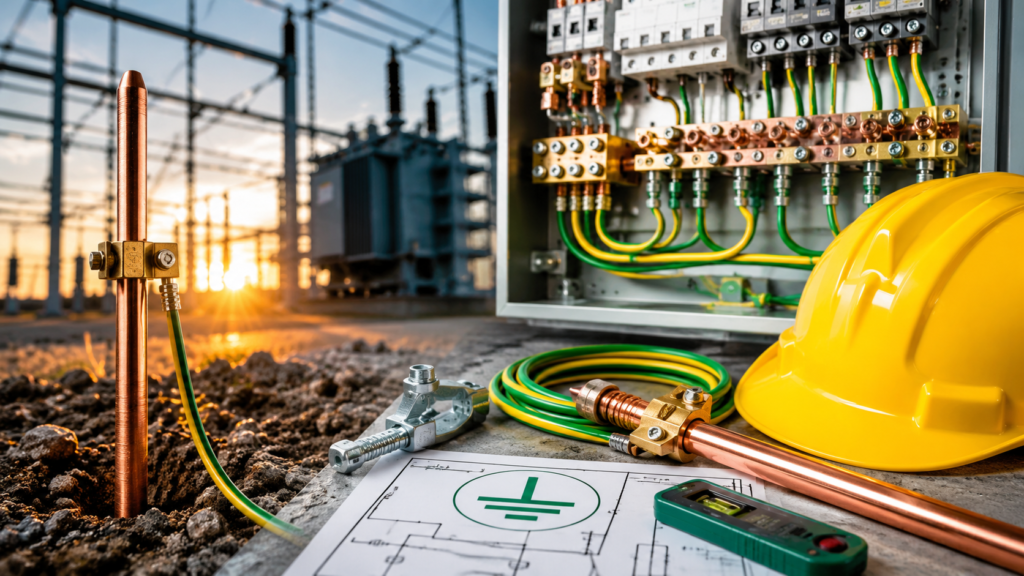

safetrode.com represents a niche focused on electrical safety, grounding systems, and industrial protection solutions that are essential in modern infrastructure. In today’s world, where electricity powers almost every industry, the importance of safe current discharge and system protection has become critical for both residential and industrial environments.
Electrical faults, lightning strikes, and voltage instability can damage expensive equipment and put human lives at risk. This is why grounding and earthing systems are widely used across power plants, telecom networks, factories, and commercial buildings. safetrode.com is associated with this technical ecosystem where safety, stability, and long-term electrical protection are the main priorities.
What is safetrode.com and Its Core Purpose
safetrode.com is related to the domain of electrical grounding and safety engineering systems that are designed to protect infrastructure from electrical hazards. The core purpose of such systems is to create a safe pathway for excess electrical current so that it does not damage equipment or cause danger to people.
In modern electrical installations, grounding is not optional. It is a mandatory requirement for safety compliance. Systems like safetrode.com focus on reducing electrical risks by stabilizing voltage and ensuring that fault currents are safely transferred into the earth.
Importance of Electrical Grounding in Modern Infrastructure
Electrical grounding is one of the most important safety mechanisms in any electrical system. Without proper grounding, even a small fault can lead to major system failures or fire hazards. Grounding ensures that unwanted electrical energy is safely discharged into the earth.
In industrial environments, where heavy machines operate continuously, grounding becomes even more critical. It prevents electrical leakage, reduces shock risks, and ensures smooth operation of sensitive equipment. This is why systems associated with safetrode.com are widely relevant in modern engineering setups.
How Grounding Systems Work in Electrical Networks
Grounding systems work by connecting electrical equipment directly to the earth through a low-resistance conductor. When a fault occurs, the excess current flows through this path instead of passing through equipment or human contact.
This process stabilizes the electrical system and prevents dangerous voltage buildup. The effectiveness of a grounding system depends on soil conditions, electrode quality, and installation depth. Proper design ensures that the electrical system remains safe even during extreme fault conditions.
Types of Earthing Systems Used in Industrial Applications
Different types of earthing systems are used depending on the environment and load requirements. The most common systems include chemical earthing, copper bonded earthing, and GI earthing systems. Each system has its own performance level and installation method.
Chemical earthing is widely used in modern industries due to its stable resistance and long lifespan. Copper bonded systems are preferred where high conductivity and corrosion resistance are required. GI earthing is more economical and used in smaller installations.
Chemical Earthing and Its Role in Safety Systems
Chemical earthing is an advanced grounding method that uses conductive compounds to maintain low resistance between the electrode and soil. This system is designed to provide consistent performance regardless of soil conditions.
It is widely used in telecom towers, industrial plants, and data centers where system stability is critical. The chemical mixture around the electrode ensures moisture retention and improves conductivity, which makes the system more reliable than traditional earthing methods.
Lightning Protection Systems and Their Importance
Lightning protection systems are designed to protect buildings and electrical installations from lightning strikes. These systems capture lightning energy and safely direct it into the ground through a controlled path.
Without proper lightning protection, a direct strike can destroy electrical circuits, damage structures, and even cause fires. Systems related to safetrode.com help reduce this risk by combining grounding and surge protection technologies to ensure complete safety.
Role of Ground Resistance in Electrical Safety
Ground resistance is a key factor in determining how effective a grounding system is. Lower resistance means better flow of fault current into the earth, which increases safety and reduces electrical hazards.
High ground resistance can lead to system failure, overheating, and unstable voltage levels. Engineers always aim to achieve the lowest possible resistance using proper electrode design, soil treatment, and installation techniques.
Industrial Applications of Grounding Systems
Grounding systems are used in almost every industrial sector. Power generation plants rely on grounding to stabilize high-voltage systems. Manufacturing units use it to protect heavy machinery and ensure operational safety.
Telecommunication towers also depend heavily on grounding systems to protect sensitive electronic equipment. Even commercial buildings and residential complexes use grounding to ensure electrical safety for occupants and prevent equipment damage.
Installation Process of Earthing Systems
The installation of earthing systems begins with soil testing to determine resistivity levels. Based on the results, engineers select the appropriate grounding method and electrode type for the site.
After soil analysis, an earth pit is created where the electrode is installed. The surrounding area is filled with conductive material to improve performance. Finally, resistance testing is conducted to ensure the system meets safety standards.
Maintenance and Longevity of Grounding Systems
Modern grounding systems are designed to be low maintenance, but periodic checks are still important for long-term performance. These checks include resistance testing and inspection of physical connections.
With proper installation and quality materials, grounding systems can last for decades. Chemical earthing systems, in particular, offer long operational life with minimal maintenance requirements, making them ideal for industrial use.
Safety Standards and Compliance in Electrical Systems
Electrical grounding systems must comply with international safety standards such as IEC, IEEE, and other regional electrical codes. These standards define how grounding systems should be designed, installed, and tested.
Compliance ensures that systems remain safe under all operating conditions. Companies working in this field, including those related to safetrode.com, follow these guidelines to maintain reliability and safety in their solutions.
Benefits of Advanced Grounding Technology
Advanced grounding technology provides multiple benefits, including improved safety, better equipment protection, and reduced downtime. It ensures that electrical systems remain stable even during high fault conditions.
It also helps reduce maintenance costs by preventing damage to expensive electrical equipment. In industries where continuous operation is important, advanced grounding systems provide long-term reliability and operational efficiency.
Future of Electrical Grounding Systems
The future of grounding systems is moving toward smarter and more automated technologies. New systems are being developed with real-time monitoring capabilities to track ground resistance and system performance.
Innovations in materials and design are also improving efficiency and durability. In the coming years, grounding systems will become more integrated with digital monitoring systems to enhance safety and performance in industrial environments.
Conclusion
safetrode.com represents an important area of electrical safety that focuses on grounding, earthing, and lightning protection systems. These systems are essential for protecting both human life and electrical infrastructure in modern society.
As industries continue to grow and electrical demand increases, the importance of reliable grounding systems will continue to rise. Proper installation and maintenance of these systems ensure long-term safety, stability, and protection across all types of electrical environments.