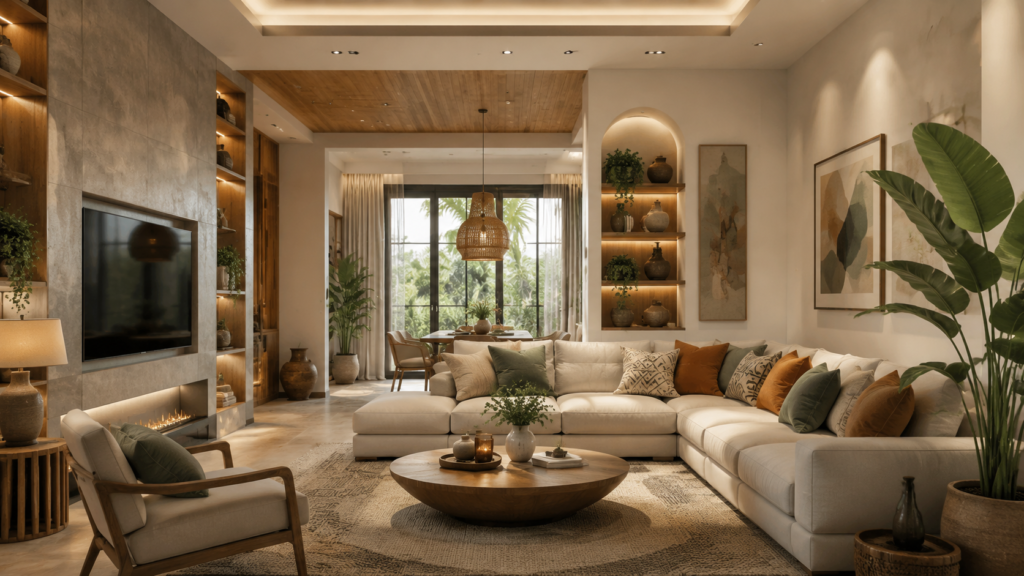

Interior design is a field that captivates the imagination of people from all walks of life. The ability to transform a space into something functional, aesthetically pleasing, and emotionally uplifting is a fascinating combination of art, science, and psychology. Every element in a room — from the choice of colors to the layout of furniture — influences the way people feel and interact with their environment. At MintPalDecor, the focus is not only on creating visually appealing spaces but also on enhancing the overall experience of the inhabitants. This holistic approach is what makes interior design so compelling and interesting to explore.
The allure of interior design lies in its versatility. Unlike other art forms, interior design directly impacts everyday life, shaping the way people live, work, and socialize. The process of designing a space is an intricate balance of creativity, technical knowledge, and understanding human behavior. The designers at MintPalDecor emphasize that the most captivating spaces are those that marry functionality with beauty. By carefully selecting textures, lighting, and furniture, they create spaces that are visually engaging while serving the practical needs of their clients, making interior design a field full of endless possibilities and constant learning.
The Fusion of Art and Science in Interior Design
Interior design is a discipline that brings together artistic sensibility and scientific reasoning. Every decision in the design process is guided by both creative vision and empirical principles. For instance, color theory, spatial arrangements, and ergonomics are scientific elements that dictate how a space functions, while aesthetic choices like textures, patterns, and decorative accessories cater to the human desire for beauty and self-expression. This intersection of art and science ensures that interior design is intellectually stimulating and visually satisfying at the same time.
Moreover, the scientific side of interior design extends beyond mere aesthetics. Factors like lighting intensity, airflow, room proportions, and acoustic quality all influence how a space is experienced. Designers at MintPalDecor carefully analyze these elements to optimize comfort and functionality. By applying scientific principles thoughtfully, they enhance not only the usability of a space but also the emotional well-being of those who occupy it. This dual nature of interior design as both an art form and a science is one of the reasons why it holds such universal appeal and continues to be deeply interesting.
The Psychological Impact of Interior Design
The effect of interior design on human psychology is profound, making it a field that touches both the mind and the soul. Spaces influence emotions, behaviors, and even productivity. Colors, for example, can trigger specific feelings: cool tones like blues and greens are calming, while warm tones like reds and yellows can energize or stimulate. Lighting, both natural and artificial, also has a significant impact on mood, with daylight improving alertness and well-being, and layered lighting creating ambiance and depth. At MintPalDecor, understanding these psychological principles is essential to crafting spaces that resonate with clients on a personal level.
In addition to color and lighting, spatial arrangement plays a critical role in shaping experiences. The placement of furniture, the flow between rooms, and the use of open or enclosed spaces all affect how people perceive and interact with their surroundings. Thoughtful interior design considers the emotional needs of occupants, ensuring that spaces promote comfort, relaxation, and efficiency. By harnessing the science of human perception and environmental psychology, interior design becomes more than decoration; it becomes a tool for enhancing quality of life, making it a perpetually interesting subject to study and practice.
Storytelling Through Design
Interior design allows for narrative expression, transforming spaces into a visual story that reflects the personality, values, and lifestyle of its occupants. Every element — from furniture choice to wall color, from textures to decorative objects — contributes to a story that conveys mood, culture, and identity. Designers at MintPalDecor focus on creating environments that tell a coherent story, making each space unique and memorable. This storytelling dimension adds depth and intrigue to interior design, giving it an emotional resonance that goes beyond aesthetics.
Cultural influences further enrich the storytelling aspect of interior design. By blending styles, incorporating heritage elements, or introducing global trends, designers can create spaces that are both personal and cosmopolitan. For instance, combining Scandinavian minimalism with traditional Asian elements produces a narrative that reflects both simplicity and cultural depth. This ability to communicate through design transforms rooms into living narratives, offering endless opportunities for exploration, making interior design a fascinating and dynamic field.
Interior Design and Comfort
The pursuit of comfort is central to interior design, making it a field of both practical and emotional significance. A well-designed room does more than look attractive; it promotes physical comfort, mental relaxation, and emotional well-being. At MintPalDecor, comfort is achieved by harmonizing ergonomic furniture, soothing color palettes, balanced lighting, and appropriate spatial arrangements. These factors work together to create spaces where people feel at ease, which in turn enhances their daily life experience.
Furthermore, interior design also addresses lifestyle needs. Functional layouts facilitate smooth movement and efficient use of space, while thoughtful material selection contributes to sensory comfort. From soft textiles to ambient lighting, every detail is considered with the user’s experience in mind. This focus on comfort, combined with aesthetics, illustrates why interior design is not only interesting but also indispensable for enhancing everyday living. The science of comfort makes design both an art and a service that improves human life.
The Influence of Trends and Innovation
Interior design is continuously evolving, influenced by emerging trends, technological advancements, and cultural shifts. These dynamic aspects make the field fascinating and keep designers, clients, and enthusiasts engaged. From sustainable materials and eco-friendly design to smart home technologies and modular furniture, the modern interior design landscape is diverse and ever-changing. MintPalDecor embraces these innovations to create contemporary spaces that balance style, functionality, and environmental responsibility.
Trends in interior design also reflect societal changes and personal aspirations. Minimalism, maximalism, Japandi, and other hybrid styles illustrate how global influences shape local design preferences. Keeping pace with these trends challenges designers to innovate while maintaining timeless appeal. This constant interplay between innovation and tradition provides endless inspiration and ensures that interior design remains an exciting, intellectually stimulating, and aesthetically rewarding field.
Creativity and Problem-Solving in Interior Design
Each interior design project presents unique challenges, making problem-solving an integral and fascinating component of the work. Designers must navigate limitations such as budget, space constraints, lighting, structural issues, and client preferences. MintPalDecor thrives on these challenges by transforming obstacles into creative opportunities, whether through multi-functional furniture, clever spatial layouts, or innovative lighting solutions. The ability to combine creativity with practical solutions adds a compelling layer to the field of interior design.
Moreover, the problem-solving aspect of interior design develops critical thinking and adaptability. Each decision, from selecting materials to configuring layouts, has cascading effects on the space as a whole. Designers must anticipate these effects and adjust their strategies accordingly. This intricate process of balancing aesthetics, function, and user needs is intellectually stimulating and makes interior design a field that consistently engages the mind, inspiring continuous learning and experimentation.
Personal Growth and Learning Through Interior Design
Engaging with interior design fosters personal growth, creativity, and aesthetic awareness. Even homeowners who are not professional designers begin to understand principles of proportion, balance, color coordination, and material selection. MintPalDecor encourages clients and enthusiasts to develop their design sensibilities, turning the process of decorating and planning spaces into an educational and enriching experience.
Interior design also encourages critical observation and appreciation of architectural and cultural elements. Understanding the historical context of styles, the science behind materials, and the functional impact of layouts enhances knowledge while inspiring creativity. This aspect of interior design makes it intellectually rewarding and perpetually interesting, as there is always something new to learn, whether about modern innovations, global trends, or timeless design principles.
Economic and Investment Aspects of Interior Design
Interior design is not only a creative pursuit but also a practical investment. Well-designed spaces increase property value, attract potential buyers or tenants, and enhance overall marketability. MintPalDecor demonstrates how thoughtful interior design can transform ordinary spaces into highly desirable environments, combining visual appeal with functional enhancements. This investment perspective makes interior design relevant to a wide audience, including homeowners, real estate professionals, and business owners.
In addition, efficient interior design can reduce long-term costs by optimizing energy use, minimizing waste, and selecting durable materials. By integrating sustainability and cost-effectiveness, interior design becomes a strategic choice rather than mere decoration. The tangible financial benefits, coupled with aesthetic improvements, contribute to the enduring interest in interior design as a field that merges beauty with value.
Sustainability and Environmental Responsibility in Design
Sustainable interior design is an increasingly important aspect of the field, making it both relevant and intellectually engaging. MintPalDecor integrates environmentally responsible practices by selecting renewable materials, optimizing natural light, reducing energy consumption, and using non-toxic paints and finishes. These practices not only create healthier environments but also reflect a commitment to social responsibility, which resonates with modern audiences.
Sustainability in design also encourages innovative thinking. Designers experiment with recycled materials, modular furniture, and energy-efficient solutions to achieve both aesthetic and ecological goals. This creative integration of sustainability adds complexity and depth to interior design, demonstrating that the field is not only about visual appeal but also about contributing positively to the planet, making it highly interesting and rewarding for designers and clients alike.
Interior Design as a Lifestyle Enhancer
Ultimately, interior design enhances the quality of life, influencing how people feel, interact, and experience daily routines. A thoughtfully designed home can inspire relaxation, foster creativity, improve productivity, and strengthen social connections. MintPalDecor emphasizes creating spaces that reflect personal values and lifestyle preferences, turning homes and workplaces into nurturing environments that improve overall well-being.
The continuous interaction between space, mood, function, and aesthetics ensures that interior design remains a compelling subject. The power of design to shape human experience, evoke emotions, and improve quality of life makes the study and practice of interior design endlessly fascinating. It is a discipline that combines practical problem-solving, creative expression, cultural awareness, and personal growth, solidifying its place as a vital and interesting field for everyone involved.
Conclusion
Interior design is interesting because it blends creativity, science, psychology, culture, and functionality into a single, dynamic field. At MintPalDecor, the process of designing spaces goes beyond mere decoration, aiming to create environments that are visually captivating, emotionally resonant, and practically efficient. The ability to influence mood, foster comfort, tell stories, embrace trends, solve problems, and contribute to sustainability makes interior design endlessly intriguing.
Whether you are a designer, a homeowner, or someone simply fascinated by the interplay of space, color, and function, interior design offers endless opportunities for exploration and learning. Its combination of artistry, technical expertise, and human-centered design ensures that the field remains relevant, engaging, and inspiring. Interior design is more than a career or hobby — it is a lifelong journey of creativity, discovery, and transformation, making it undeniably interesting at every level.